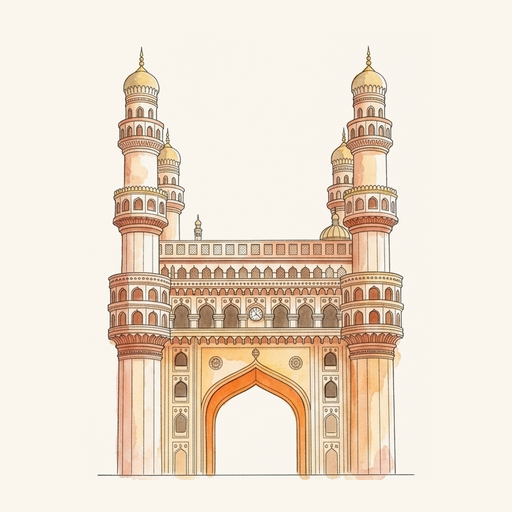
The Osmanian Riverfront & Civic Renaissance Trail
Vincent Esch's Indo-Saracenic Masterpieces along the Musi River (1908–1940)
Discover the golden era of civic architecture engineered after the 1908 Musi flood. Follow British architect Vincent Esch's majestic pink-granite domes, Mughal-inspired chattris, and public institutions along the river.
Route Itinerary & Heritage Stops
High Court of Telangana
Palace of Justice (1919)
Rose-red sandstone and white marble chattris reflecting Mughal-Saracenic mastery.
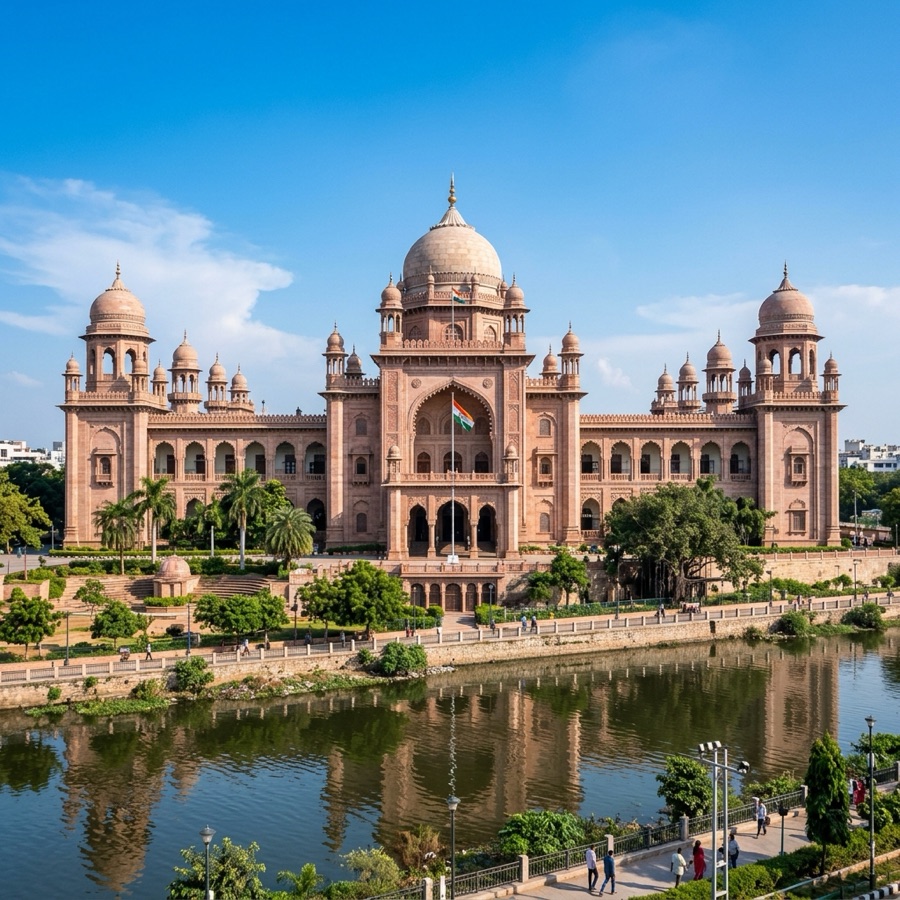
Osmania General Hospital
Healing by the River (1925)
Colossal public healthcare palace featuring an iconic riverfront dome.
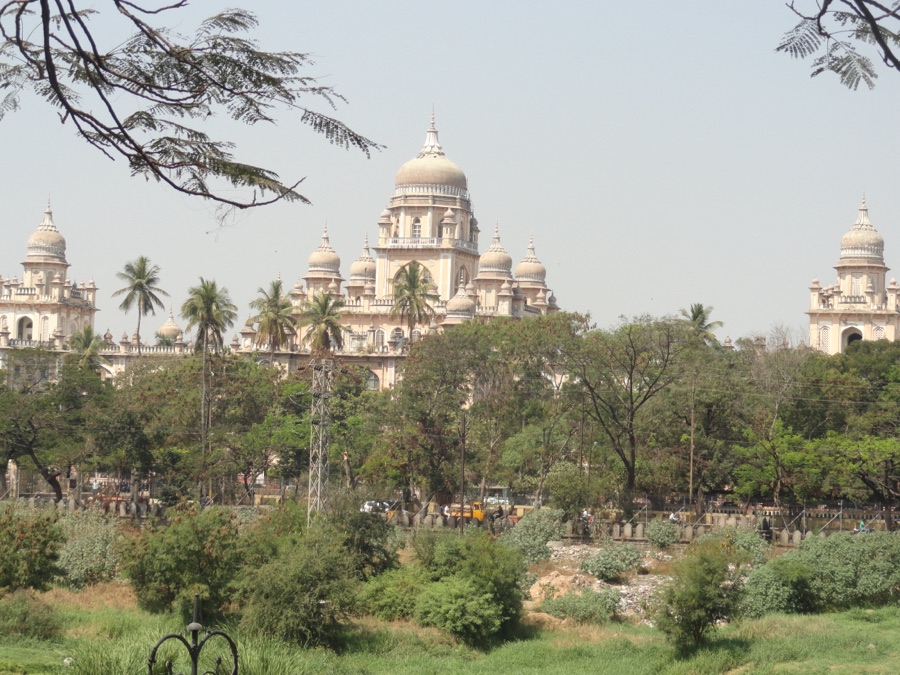
City College
The Academy of the Riverfront (1921)
Designed with soaring minarets and stone jaalis opposite the High Court.
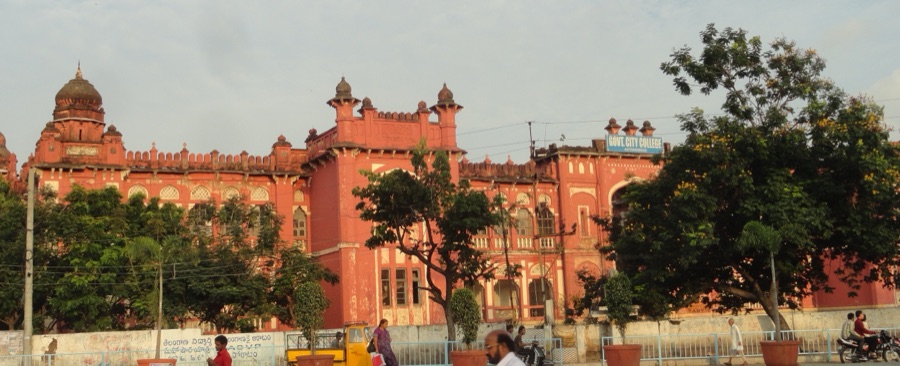
State Central Library
Asafia State Central Library (1936)
Housing over 500,000 rare manuscripts in Arabic, Persian, Urdu, and Telugu.
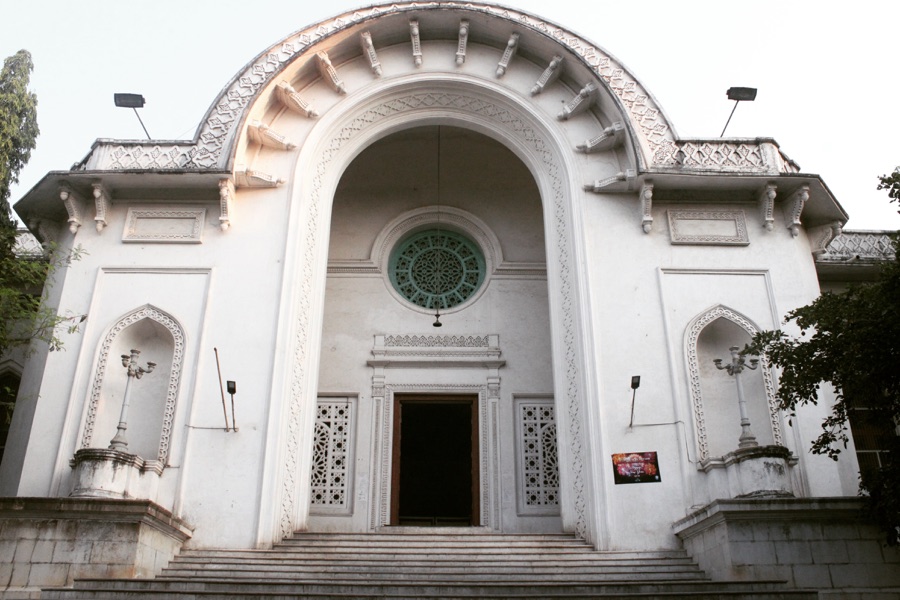
Moazzam Jahi Market
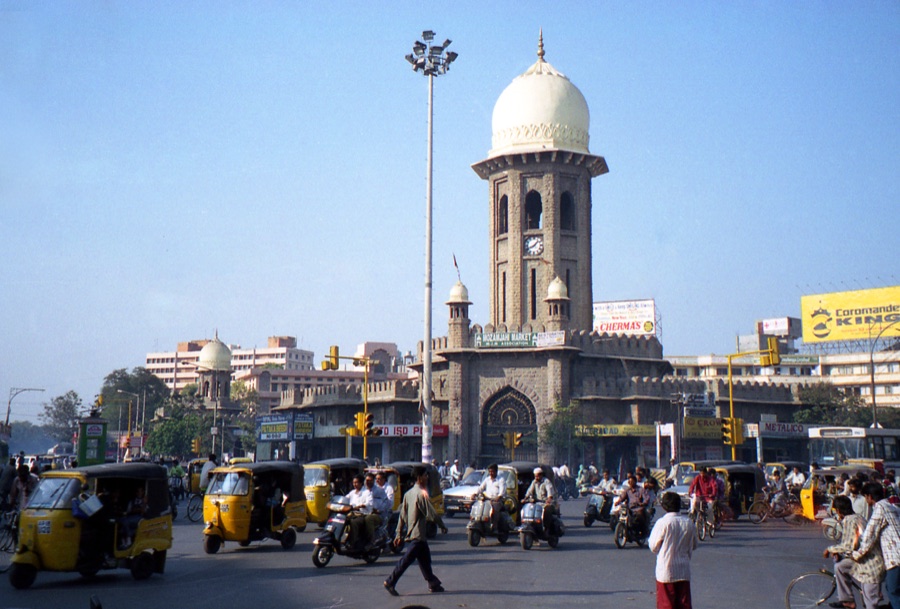
The Circular Granite Bazaar (1935)
Triangular granite market topped by a central clock tower, famous for ice cream.
Trail Guide & FAQs
Is the Musi riverfront trail walkable on foot?
Yes, at 3.8 km along Nayapul and Afzal Gunj bridges, it is an easy pedestrian walk with sidewalks and pedestrian riverfront vistas.
Who was Vincent Esch?
Vincent J. Esch was a British architect and fellow of the Royal Institute of British Architects who pioneered the 'Osmanian Indo-Saracenic' style for Nizam VII.