
Sir Ronald Ross Building
Also known as: Ross Institute, Secunderabad Garrison Hospital
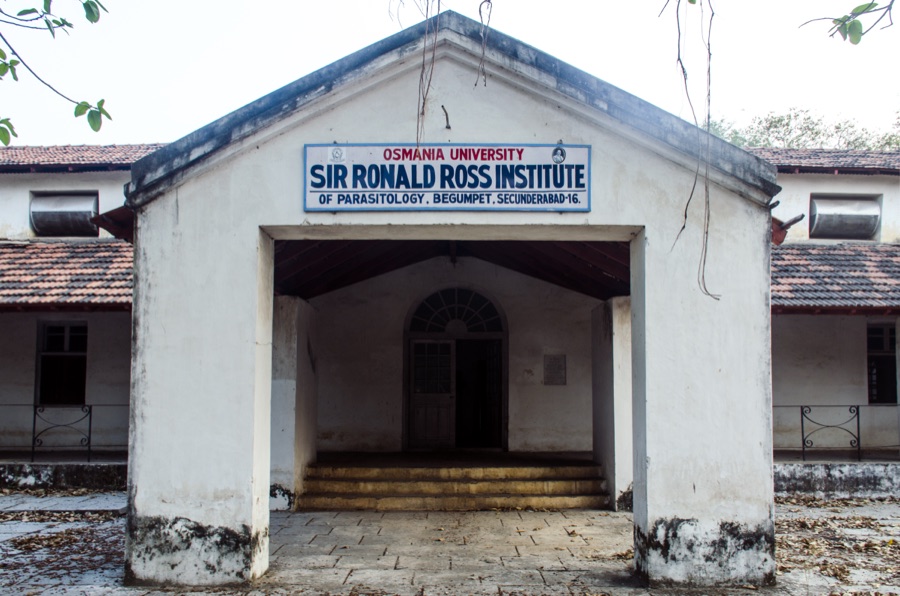
The hospital building where Ronald Ross, working in the Secunderabad garrison in 1897, proved the mosquito transmission of malaria. Restored and marked with a plaque.
History & Story
In a small laboratory behind this building in August 1897, Ronald Ross, a medical officer of the Secunderabad garrison, demonstrated that malaria was transmitted by the Anopheles mosquito, one of the most consequential medical discoveries in history. The discovery went on to save hundreds of millions of lives through mosquito control programmes. Ross won the Nobel Prize in Physiology or Medicine in 1902. The building bears his name and a commemorative plaque; the 1997 centenary was marked by a ceremony attended by the British High Commissioner.